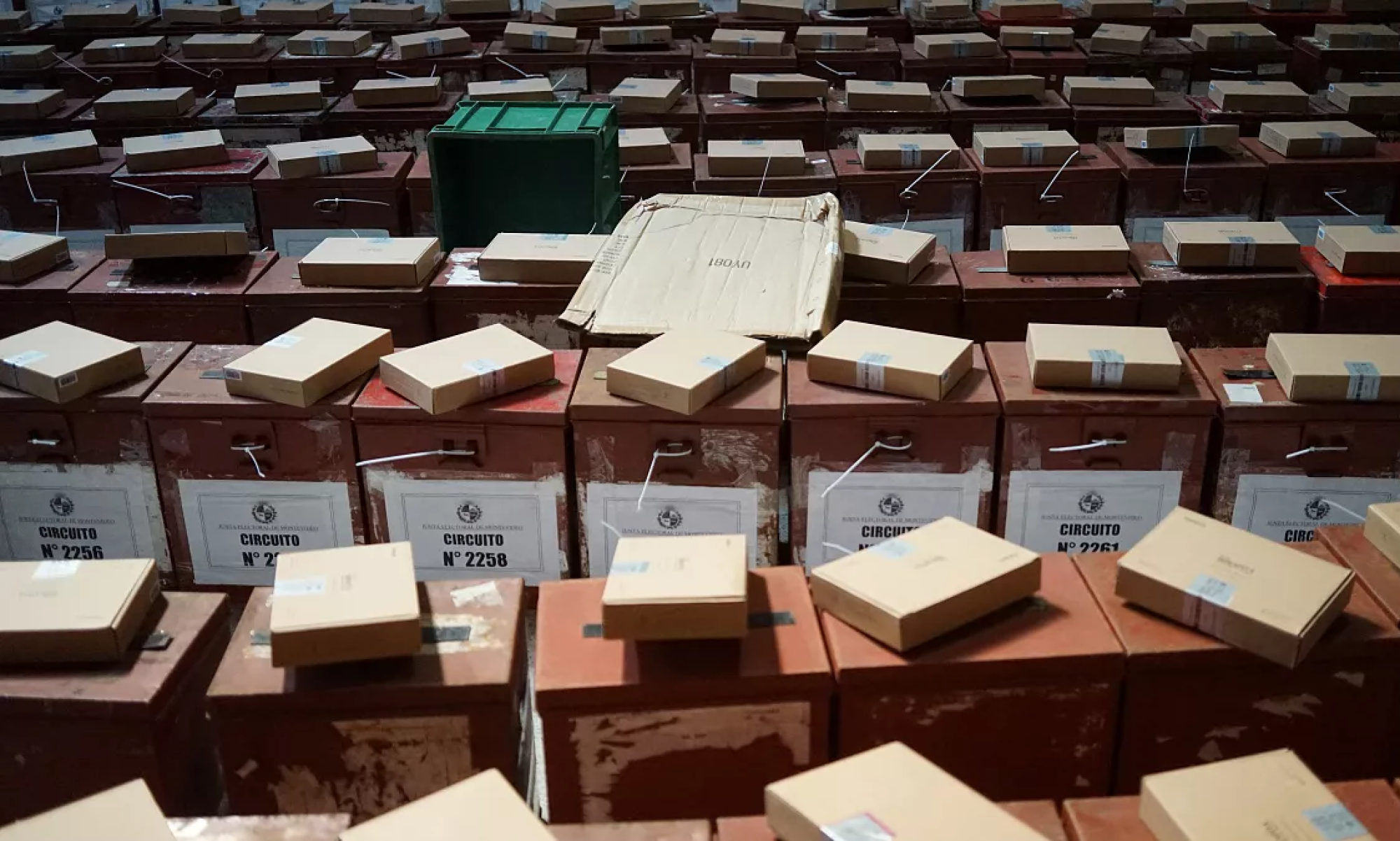


The Uruguayan Congress is composed by the upper-body Senate with 29 Senators, the lower-body House of Representatives with 99 Congresspeople and the Vice President who actively chairs the Senate as its President on a daily basis whilst providing support for the Executive branch´s agenda.
A Permanent Commission is left in place during the legislative recess to prevent the Executive branch from abusing its power in the absence of the Legislative Branch in order to prevent a coup d´état alike the one that gave way to the country´s most recent 12 year long dictatorship (1973 -1985).
The Legislative Palace was inaugurated on August 25th, 1925 on the centenary of the Declaration of Independence. This took place 3 years before President-elect Herbert Hoover became the first US President to visit Uruguay during his 1928 South American tour and be given a walkthrough of our brand new current house of Congress.
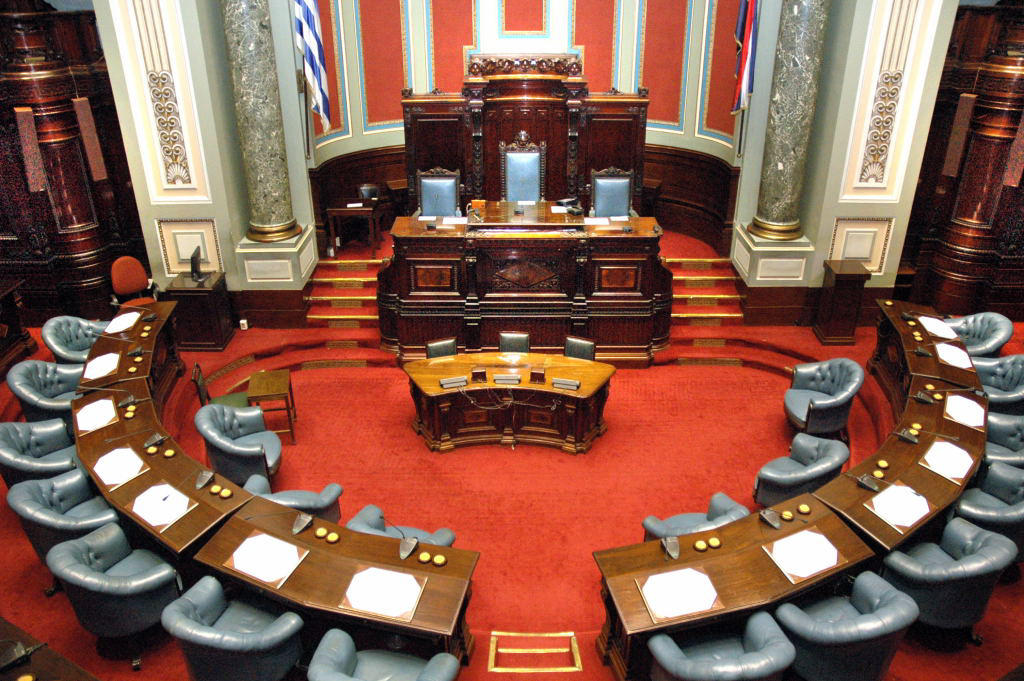
Senators are elected on a national level based on the votes gained by their respective parties and their rank on their respective electoral lists. They are the members on the presidential line of succession after the Vice President based on the aforementioned election method.
Uruguayan law doesn´t include members of its Cabinet or the House of Representatives in its line of succession and it doesn´t foresee an internal selection made by Congress if there´s no Senators available.
Instead each Senator´s stand-by first and second replacements take their place in their absence. Which is usual when the highest ranking Senators become appointed to positions in the Executive branch.
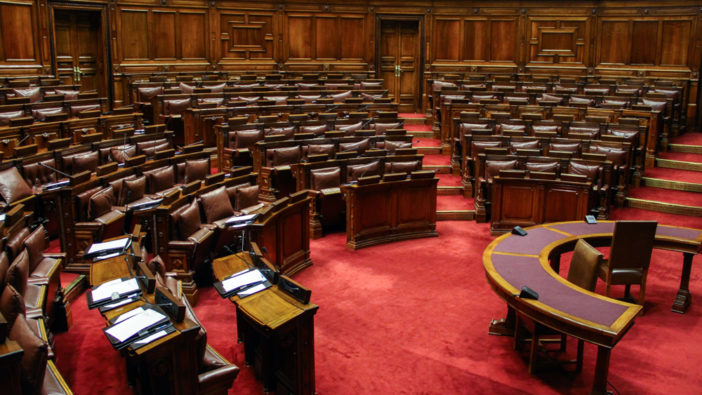
Congresspeople are elected on a state level based on the votes gained by their respective parties and their rank on their respective electoral lists.
Given its bigger amount of seats smaller parties gain representation through it and can yield and obtain influence during decisive legislative projects.
It´s in charge of presenting articles of impeachment in the case of a political trial against the President, the Vice President, members of Congress or Justices of the Supreme Court which can lead to conviction by the Senate if two thirds of its members vote in favor for it.
 Politics with Aldo