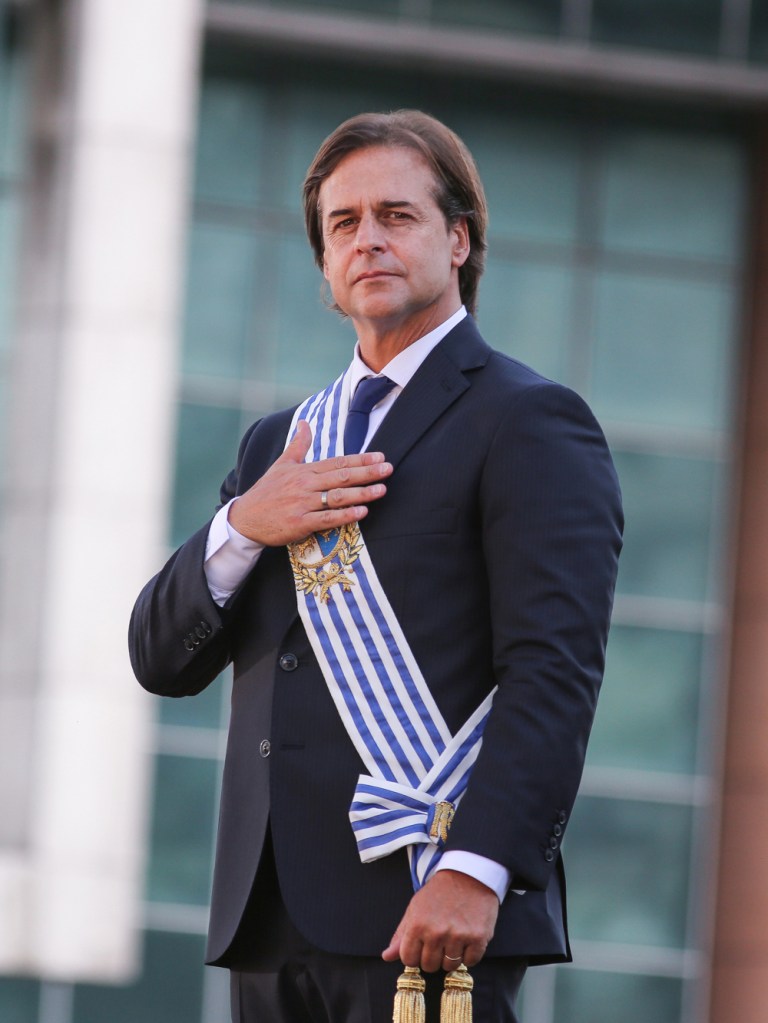
The Constitution forbids immediate presidential reelections which gives the sitting President wider maneuverability to prioritize their governance over a potential second term by removing it from their political equation.
The President´s term lasts 5 years and unlimited separate terms are allowed to them. They´re responsible for proposing, passing and vetoing laws, ensuring domestic tranquility, peaceful international relations without recurring to war and appointing government officials at their discretion.

The current President, Luis Lacalle Pou, was a Senator elected by a thin margin below 1% after 15 years of continuous rule from the opposition and he took office days before he held a press conference to announce a nation-wide voluntary quarantine at the beginning of the COVID pandemic.
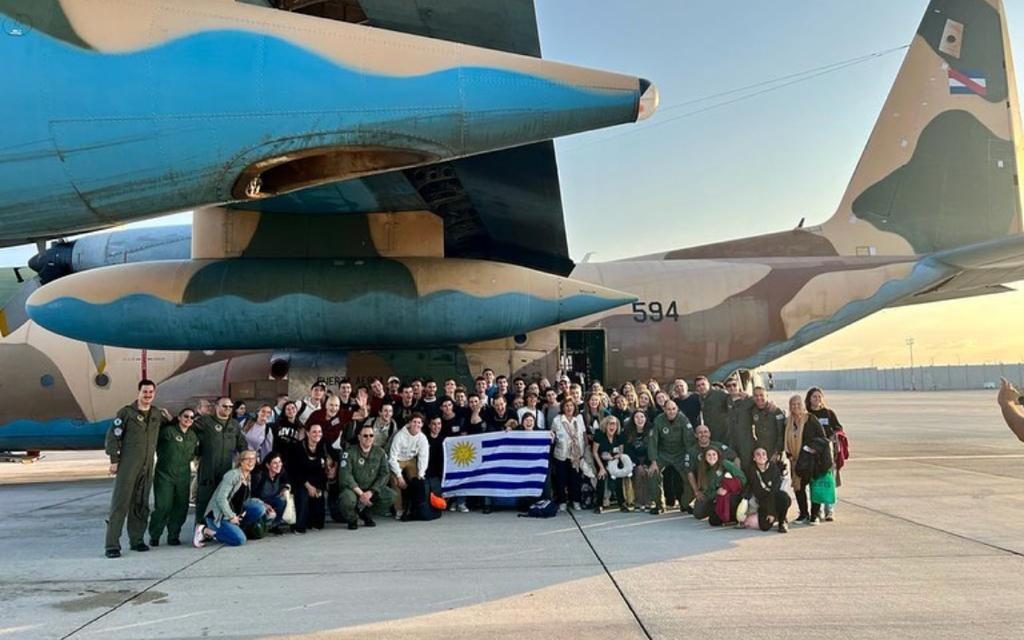
His then Secretary of State and former presidential hopeful against him from the Colorado Party, Ernesto Talvi, led the charge in the operation ´Everybody Home´ in which Uruguayans stranded overseas where brought home with assistance from the military which bolstered Talvi´s popularity.
Eventually he resigned exactly 4 months after he assumed his Cabinet position. He also resigned his Senate seat which he was legally entitled to return to and left politics entirely.
Leaving the long-lasting Colorado Party once again without a strong leader that can substantially challenge the current governing party, thus remaining in third place in the opinion polls where it has been since its political downfall due to the Uruguayan 2002 Banking Crisis.
He achieved a majority in Congress through a Multicolor Coalition government which allowed him to pass the Urgent Consideration Law (LUC in Spanish) within 90 days under their chosen legislative process.
It included multiple reforms including the extension of self-defense in private property, the introduction of said principle in places of business, the full illegality of threatening police officers, longer and incommutable prison sentences for serious crimes, the prohibition of strikes impeding the free circulation of people including workers and the public, the creation of the Cabinet-level Department of the Environment in accordance to his campaign promise during the 2019 elections, the allowance of rental agreements without a security deposit as well as swift evictions in cases of due rent and/or unlawful occupation and the acceleration of adoptions.

Luis Lacalle Pou and his administration dutifully obeyed the terms of their own voluntary quarantine. He is the only President in Uruguayan history to have gotten a divorce while in office.

President Lacalle Pou was the first occupant of our country´s Presidential Residence in Montevideo since President Jorge Battle (2000 – 2005) and moved out on June 20th, 2024 to his own apartment he recently acquired after his divorce with his the former First Lady in order to be closer to his children after she gained custody of them.

The LUC was subject to an off-election-year referendum initiated by the country´s main labor union, PIT-CNT, in conjunction with the Broad Front, the current opposition party. The referendum proposed a ´Yes´ option to take down 135 of its articles and a ´No´ option to keep them in place.
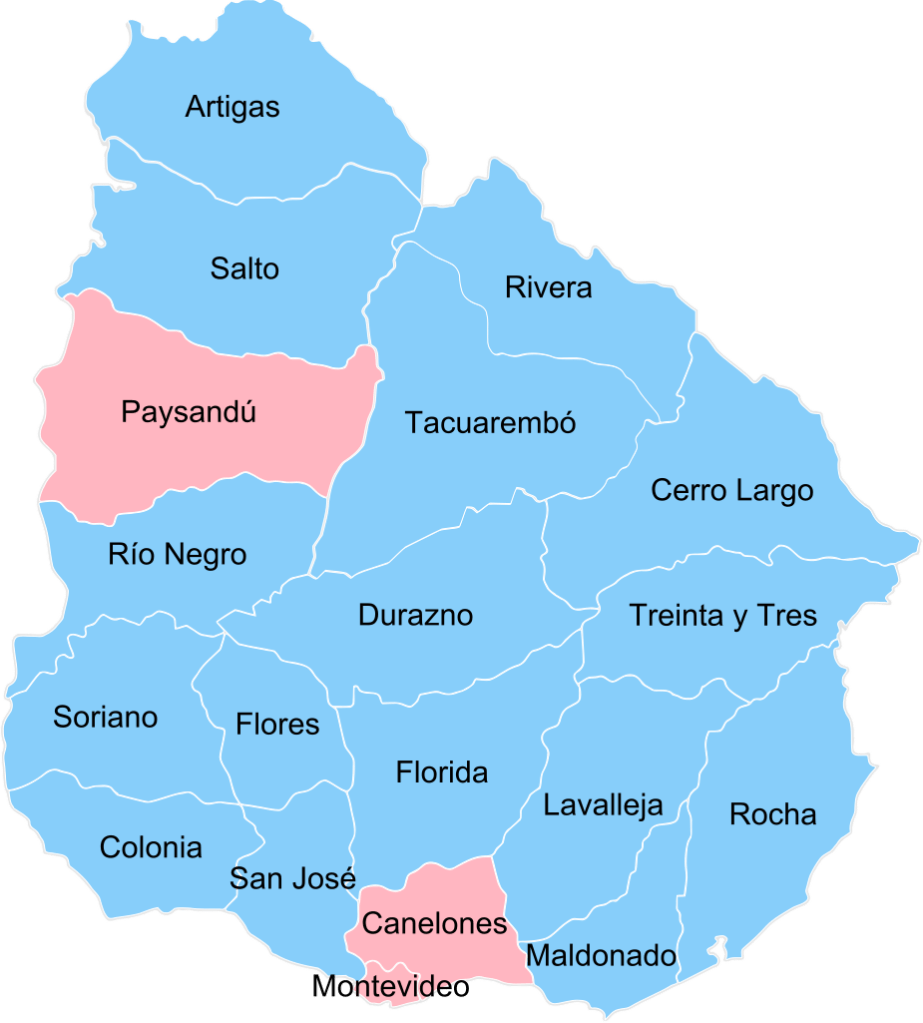
The referendum lost by a thin 1% margin slightly wider than the 2019 national elections. Which constituted a significant victory for Lacalle Pou´s administration and has produced political capital lasting until its conclusion in 2025.

His administration also faced a drought which mainly affected Montevideo in 2022-2023 followed by a recovery. Uruguay´s biggest road infrastructure received its biggest reform and expansion in its history.

The country´s foreign policy took a sharp turn against the Venezuelan dictatorship and sought to obtain more freedom for its foreign trade by opening Mercosur against the opposition of the previous Argentine President Alberto Fernández.
Argentine-Uruguayan relations improved greatly with the inauguration of President Javier Milei who partially shares the Uruguayan government´s current position on geopolitics, liberal economics and reduced spending.

He authorized the long-awaited improvement of the Port of Montevideo to boost its freight operations on a larger scale under a shared international agreement on the matter after the previous President continuously denied the authorization.

Both governments have begun negotiations on facilitating immigration and education revalidations between both nations similar to Australia and New Zealand.
The current administration has improved its Immigration policies by lowering the financial requirements to acquire tax residency, passing an executive order to facilitate the pathway to residency for refugees in the country and opening new Immigration offices and hiring new employees to increase their expediency.
 Politics with Aldo